Why is it that some families can begin to disengage with primary school life? And what can we do about it? Cassie Higgleton considers how schools can reach the parents who go quiet
The Education Endowment Foundation has found that effective parental engagement can lead to pupils – especially younger children – making another four months of progress on average in a single academic year - Adobe Stock
Schools work tirelessly to keep the doors open for parents and carers to join in events, ask questions, or discuss issues their child might be having with their learning, friendships, or wellbeing.
But in every school there is usually at least one family which never makes it in to parents’ evening, forgets World Book Day, or regularly fails to return consent forms.
It might not happen straight away. Sometimes contact will slowly begin to slip, often for no apparent reason. But whatever the cause, these are the parents who schools need to reach and re-engage with as we know how closely linked pupils’ attendance and achievement is to the relationship we have with their families.
The Education Endowment Foundation’s research summaries, for example, tell us that with effective parental engagement, a child could make another four months’ progress on average in a single academic year (EEF, 2025) and there is “a strong evidence-base” supporting this approach with younger children in particular.
For the EEF, parental engagement refers to teachers and schools involving parents in supporting their children’s academic learning and includes:
- Approaches and programmes which aim to develop parental skills such as literacy or IT skills.
- General approaches which encourage parents to support their children with, for example, reading or homework.
- The involvement of parents in their children’s learning activities.
- More intensive programmes for families in crisis.
But who are the parents most at risk of going quiet, and what can you do to get them back on board when they do? In this article I will outline some of the most common issues that schools face in this regard and some things you can do to address them.
Language barriers
Most schools are teaching increasing numbers of children who don’t speak English at home. Language barriers can often be misinterpreted as parental disinterest in school life, but this is often not the case. Language barriers just make it harder for parents to get involved, even when they want to.
The family who avoids coming in to school to see their child get the star of the week could just be worried that they’ll end up in conversation with other parents or concerned that they will misunderstand while talking with a teacher. There are some simple strategies you can use to help parents in this position.
One way to bridge language gaps is to send all information home in parents’ first language. There are plenty of translation tools that can do this quickly to make sure parents know what’s happening at school. You can also ask bilingual members of staff to be on hand at events or meetings to welcome parents, translate questions and talk through any concerns.
Editor’s note: Headteacher Update publishes a range of articles from The Bell Foundation focused on supporting EAL pupils and their families including this article on supporting EAL parents.
Having that extra support might just encourage parents to feel more positive about coming in to school, which will also rub off on their children.
Lack of time
You’ve probably met a parent who cares deeply about their child’s learning, but somehow something always gets in the way of them attending a face-to-face meeting. This is where a little flexibility can make a big difference.
Parents who work irregular hours or have younger children at home to look after might really value the chance to join a quick virtual call instead. This can give them the chance to discuss their children’s progress or update you on how a pupil is coping with a new baby in the house, without the stress of trying to fit an evening meeting at school into an already challenging household routine.
There are also those families that ignore a newsletter but really value hands-on activities, like a learning support workshop, where they can chat with other parents and pick up practical tips to help their child at home. They are likely to get far more from an event like this and could pass on what they’ve learned to other parents.
Information overload
If parents are giving you the cold shoulder, it can be useful to consider if there’s anything the school is doing that could be making it harder for them to stay engaged. Something as simple as information overload can be a contributing factor.
How and when a school communicates with parents can make a big difference to how involved they are. Constantly bombarding parents with texts and emails can quickly turn them off and make it difficult for them to keep track of what is important.
A parent might receive a text about homework and then a separate email about an upcoming school trip. If it isn’t immediately clear, they may not know which message to deal with first, what action they need to take, or who to contact if they have questions.
Keeping communication to one or two clear channels can make life much easier for busy families. When parents know where to find updates and who to ask if they need help, they are far more likely to read the messages they receive and respond when they’re asked to.
And finally, the EEF research cited above reminds us: “Consider how to tailor school communications to encourage positive dialogue about learning. There is some evidence that personalised messages linked to learning can promote positive interactions.”
Everyday pressures
Parents don’t usually stop caring about their child’s learning. Sometimes what looks like disengagement can be the early sign of a family under pressure that may not be immediately obvious. Worries about housing, health or relationships can push school matters down the priority list and leave parents with little time or energy for anything else.
A quick phone call or even a short home visit can give you the chance to chat informally and find out what help the family might need. It can also be a way to point parents towards support – parenting groups, financial advice, wellbeing and other local services. Although you might not be helping directly with anything educational, you could help to build a stronger relationship with a family which can only have a positive impact on a child’s learning.
Homework
Some parents feel out of their depth and the tipping point for this can be when helping with homework, particularly as their child moves further up the school and topics get more complicated.
Parents worry about getting it wrong or confusing their child, even when all they want to do is be supportive. Schools can significantly lower anxiety levels by giving parents the confidence to help.
A homework club for key areas such as literacy and maths can offer parents a safe and relaxed place where we can discuss the best way to support their child’s homework, with a teacher nearby to offer a helping hand. Sessions like these show families how specific subjects are taught in school and also help them to realise that they are not expected to have all the answers.
Help staff to deal with difficult situations
Even in the most family-friendly schools, not all staff feel completely confident when dealing with a parent who is upset with a teacher or worried about their child. Conversations about poor attendance, late homework, or behaviour concerns can be challenging but if you give staff training and support, they will feel better prepared to handle these sensitive situations.
An INSET day on active listening, de-escalating conflict, or cultural awareness might be all that’s needed to give a teacher the skills and confidence to approach these conversations positively. You can pair early career teachers with more experienced colleagues who already have strong relationships with families. This allows them to observe, receive practical feedback, or practise role-playing scenarios to develop their own positive communication style.
Make it easy for important details, such as parents’ preferred communication channels or changes in a child’s home life, to be passed on to teachers as pupils move up the school too. When teachers understand what’s happening at home and can offer support, families are less likely to feel isolated.
Parental engagement on everyone’s to-do list
Parental engagement is most effective when it’s part of the fabric of a school, not just something extra staff have to do on top of everything else.
Parents who feel listened to and are well supported can help a school tackle so many other issues, like improving children’s attendance, achievement and wellbeing.
Keep an eye on the progress you’re making in improving engagement. Are more parents coming to face-to-face meetings and events? Are they using the school’s app or parent platform more regularly? Do surveys show they feel included and informed?
Having a clear plan for improving parental engagement makes it easier to roll-out strategies consistently across year groups and gives staff clear objectives to work towards.
At its heart, good parental engagement is about finding ways to make families feel welcome, understood and confident about what they can do at home to support their child. Children notice when their parents take part in school life and are often more motivated to learn and succeed as a result.
Further information & resources
EEF: Parental engagement, Teaching and Learning Toolkit, last updated May 2025: https://educationendowmentfoundation.org.uk/education-evidence/teaching-learning-toolkit/parental-engagement









 Creating a safe space for RSE lessons
  Key Wellbeing, PSHE & Cultural Dates Calendar 2024/25
 DfE guidance on sex and relationship education in schools has been written to take account of the revised National Curriculum, published in September 1999, the need for guidance arising out of the new Personal, Social and Health Education (PSHE) framework and the Social Exclusion Unit report on teenage pregnancy.








 "We must listen to science, not stigma"
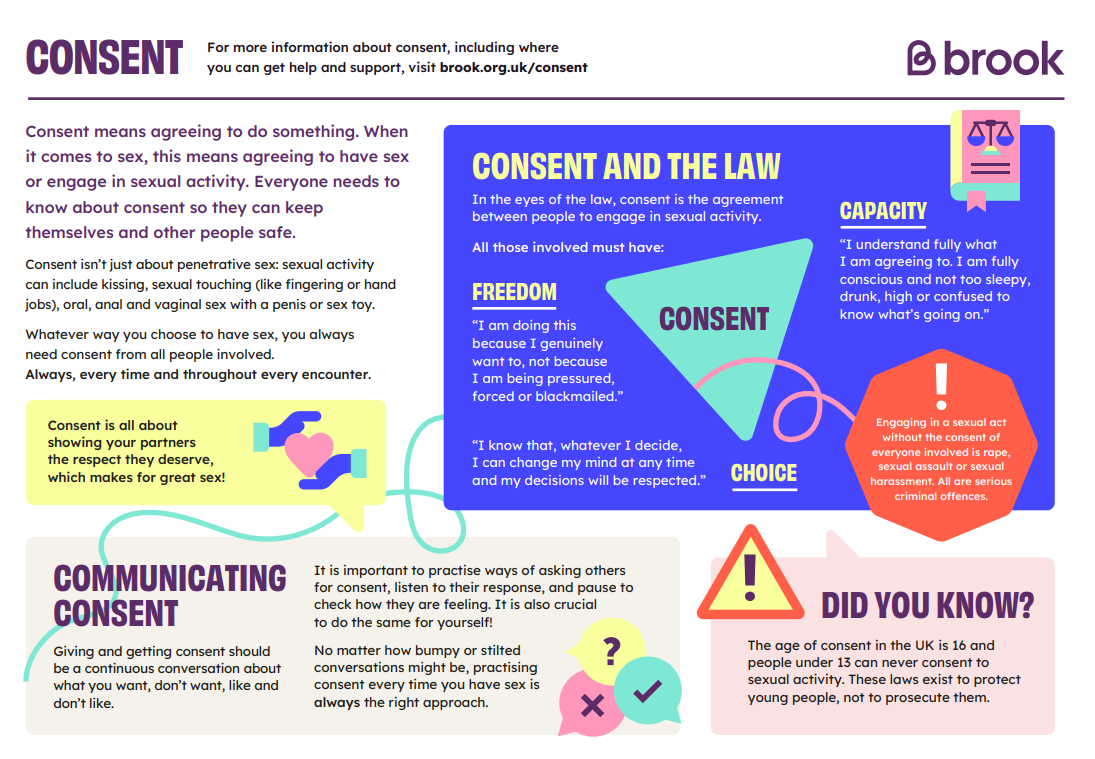
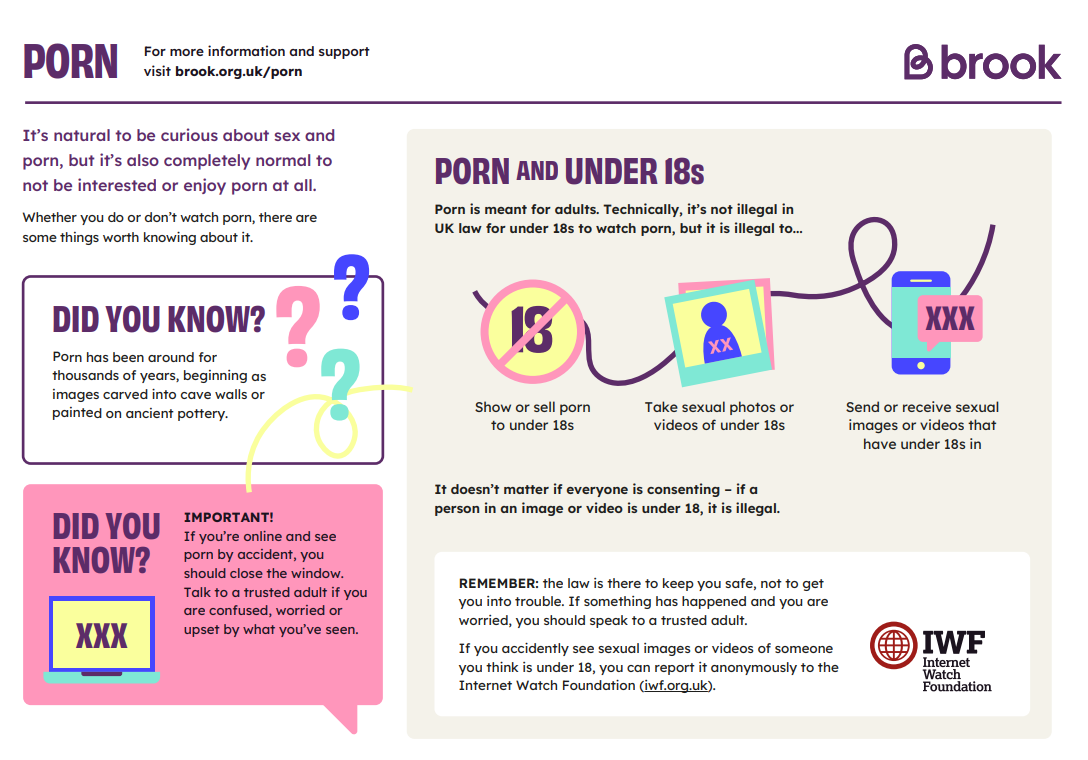
  Jeremy Hunt, parents and teachers fail to understand how teenagers use technology to experiment sexually. Proposing a sexting ban is just puritanical.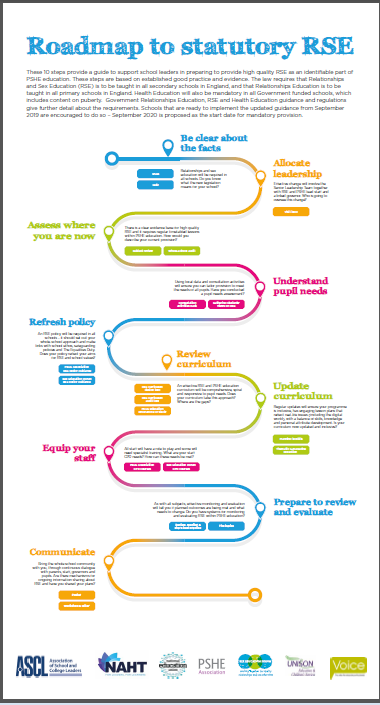









 Check out these 10 quick steps to empower schools and communities to support children and young people to talk about their feelings, experiences and painful life events with an emotionally available adult, with tips on how to take care of yourself in order to provide this for the young people you work with.