



 Developed in collaboration with Dr Foljambe, a GP, and Dr Sutton, a Consultant in Sexual Health, the Contraceptive Choices lesson pack explores different types of contraception and how people can make decisions about which option is right for them, as well as accessing emergency contraception and overcoming barriers to accessing sexual health services.
 Creating a safe space for RSE lessons
  Key Wellbeing, PSHE & Cultural Dates Calendar 2024/25



 strategic Partners Groups but not all and to some other organisations that are not part of the group but are relevant to PSHE issues in schools
 There are three elements to relationship and sex education (RSE): the acquisition of information, the development of essential life skills, and the opportunity to explore values and attitudes. This factsheet highlights these methods to ensure effective learning. Click on the heading above to download.
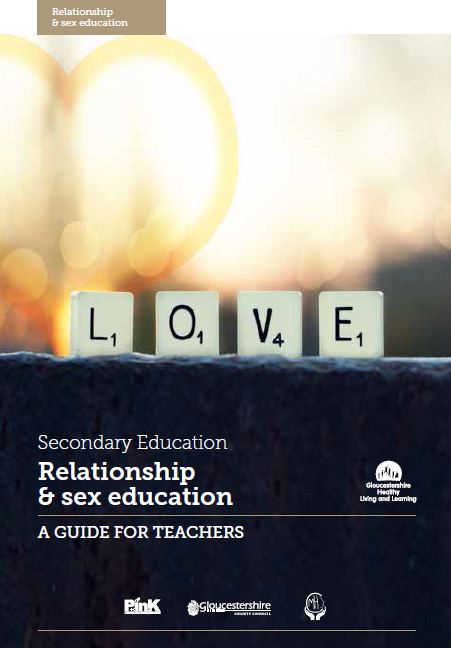 Included on the CD Rom accompanying this resource are worksheets referred to in the lesson plans, along with guidance on writing your school's RSE policy, ground rules and sample letters to parents.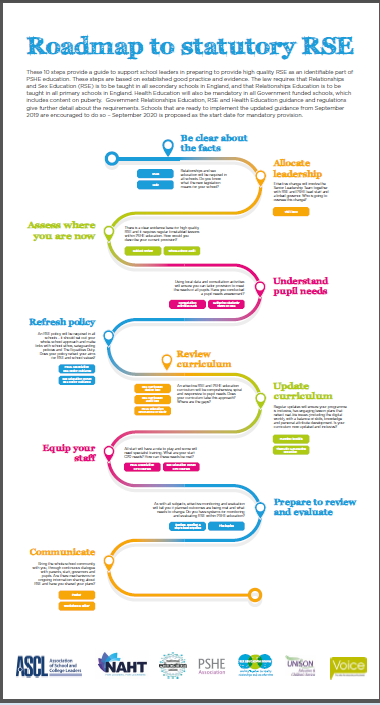




 Young trans people aged 16-24 have got together and created this useful resource booklet. You'll find signposts to more information throughout this booklet. Information gathered through
 FPA resources are available for download but not for print. Many of the resources can be purchased from the FPA online shop.

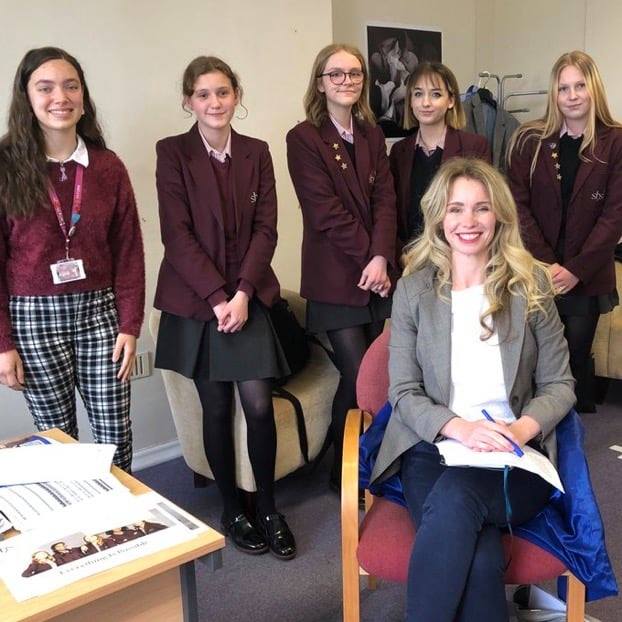
MP Siobhan Baillie has met with pupils from Stroud High School for Girls to discuss a survey they undertook looking at sexism and violence against women and to discuss their experiences of sexual harassment.
Siobhan met with the pupils from years eight to 11 recently and she was presented with the results of a survey they undertook among 80 Year 9 students.
Watch the parliamentary discussion here
Switched on! Rail safety programme that encourages young people to stay Switched On around the railway
Switched on! is a new rail safety programme for 3-16 year olds through a range of age targeted films, interactive games and classroom activities. Switched on teaches pupils to be aware of risky behaviour and develop hazard-spotting skills. Switched on has the following resources split into age categories=
- Switched On Travels with Suzi (ages 3-6) Teacher Guidance
- Switched On for every journey (ages 7-11) Teacher Guidance
- Living Switched On (ages 12-16) Teacher Guidance
'Understanding Personal, Social, Health and Economic Education in Secondary Schools'
An essential guide to best practice in PSHE education at key stages 3 and 4. The book was co-authored by leading PSHE academic Jenny McWhirter, PSHE Association Senior Subject Specialist Jenny Barksfield, and our Subject Specialist Nick Boddington. It was written with trainee teachers and their mentors in mind but is equally valuable for anyone seeking to deepen their understanding of PSHE education pedagogy and practice. This new book joins Understanding Personal, Social, Health and Economic Education in Primary Schools, also available from SAGE Publications. Both books provide a thorough grounding in the theory underpinning PSHE education, practical approaches to teaching it and the evidence which supports these approaches. The publications are a definitive guide to best practice and include guidance on:
Key stage 4/5: Consent for Students (High Education)
Brook have a online course to help students identify what consent means and summarise the laws around sexual consent. It will help foster a positive culture of consent on your campus and lead to healthier sexual relationships in your community.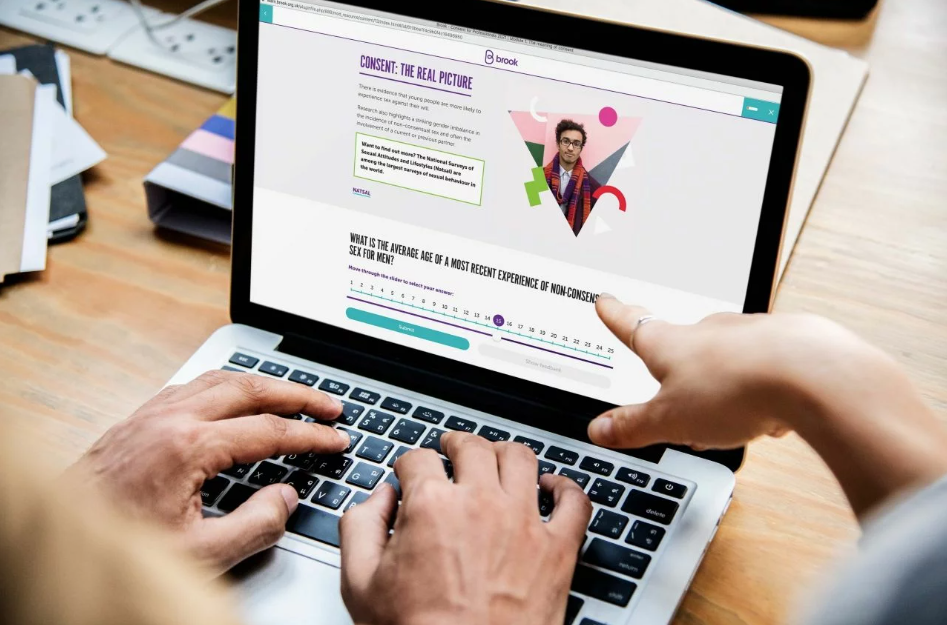
By the end of this course, students will be able to:
- Identify what consent means
- Explain what counts as sex or sexual activity
- Describe some of the factors involved in giving and getting consent
- Summarise the laws relating to sexual consent
- Identify myths about sex, sexual violence, rape and consent
- Understand scenarios where consent has been sought and given and where it has not
- Describe the range of thoughts and feelings that someone might have when considering having sex
- Identify verbal and non-verbal methods of communication and consent
Click here to find out more and access the course
Easy read definition of sexual health 
The sex education forum have produced a easy read definition of sexual health. Suitable for Secondary and Further Education including Special.
Click here to access the resource
Teaching relationships education to prevent sexual abuse- Research Report September 2024
Published in September 2024 this new research project builds on the findings of Ofsted’s 2021 Review of sexual abuse in schools and colleges. The Ofsted review commented on how prevalent sexual harassment and online sexual abuse have become for children and young people: “It is concerning that for some children, incidents are so commonplace that they see no point in reporting them.” The report went on to recommend the need for:
“[A] carefully sequenced RSHE curriculum, based on the Department for Education’s (DfE’s) statutory guidance, that specifically includes sexual harassment and sexual violence, including online. This should include time for open discussion of topics that children and young people tell us they find particularly difficult, such as consent and the sending of ‘nudes.’” – Ofsted
Following the publication of revised statutory guidance for relationships, sex and health education, the DfE is looking to provide further support for schools in teaching about sexual harassment, sexual violence, and violence against women and girls. The primary aim of this project was to conduct a review of evidence to inform further support for schools and to ensure that this support is based on the best possible evidence, particularly of best practice. The evidence review was conducted employing the technique of a Rapid Evidence Assessment (REA). The methodology and steps to conducting an REA are presented in the section below. As a secondary aim, this project also identified evidence gaps and areas requiring further research. Finally, another key aim of the project was the development of a list of key recommendations for further support for schools. The recommendations are based on (i) the literature reviewed, and (ii) advice, expertise and additional evidence shared by a group of sector experts formed specifically for this project (which is described as the ‘Expert Group’ in the rest of this report).
This report presents the results of the REA, providing a comprehensive review of evidence on teaching interventions to prevent sexual abuse, and the list of recommendations produced based on the findings of the REA and inputs from the Expert Group.
Click here to access the full report
Brook Period Resources
Brook have lots of useful resources around Periods including this video on "Top Tips for Period Wellbeing".
They also have full pre-recorded lessons such as "The big period lesson 2" and "the big period lesson 3" recorded on 20th March 2025, Aimed at years 6 and 7, the lesson covers puberty. the menstrual cycle, and how both rest and exercise can help manage period symptoms.
There are also some user friendly handouts on a variety of PSHE & RSE themes=:
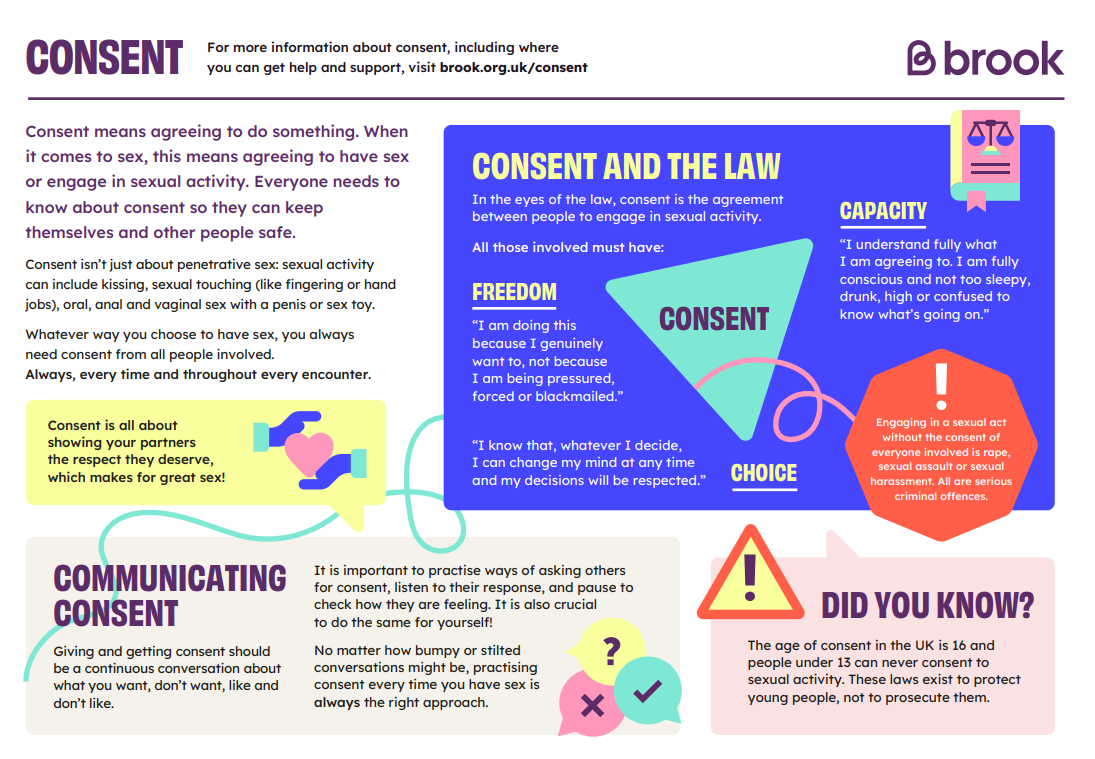
Sexually Transmitted Infections (STI's) Handout

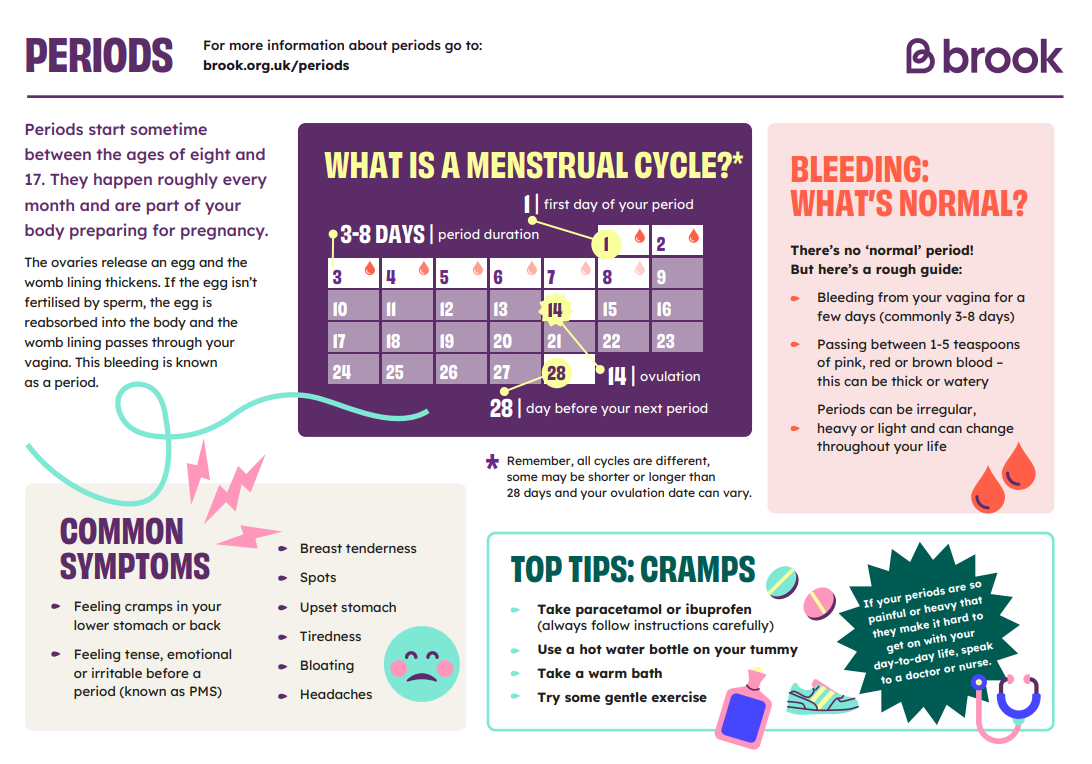
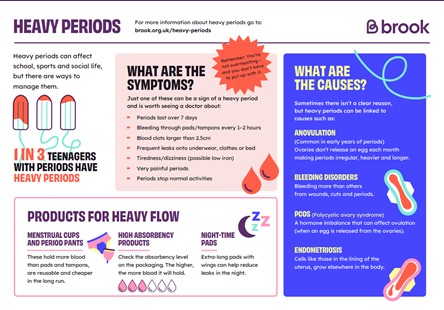
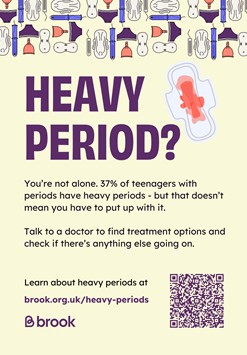
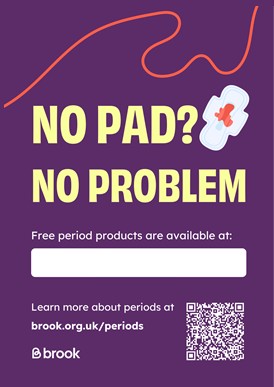
Rethink Periods
Rethink Periods is the award-winning, dynamic schools period education programme supporting Key Stage 2 and 3 teachers and school nurses with everything they need to teach about periods. 
Head over to their partner page for more details.
Additional period resources:
- Attitudes and behaviours towards reuse in the UK
- BBC iPlayer - Lets talk about periods
- Precious Stars Youtube Vlog
- A dad's guide to periods - Pads-4-Dads
- Hey Girl - period education for teachers
- My Period Cards
- Break the Barriers - Menstrual Manifesto
Useful Guidance for Schools from "School of Sexuality Education" 
Useful information and resources for parents, carers, school leaders and young people on a variety of subjects including Online Sexual Harassment, Incel Movement, Sexual Violence Prevention, Image-based sexual harassment and abuse, School uniform guidance and a RSHE Policy Guide. Click here to view the resources
Trauma Informed Schools Wales 10 Quick Steps to "Transforming Behaviour, Improving Well-Being & Mental Health in Schools"
 Check out these 10 quick steps to empower schools and communities to support children and young people to talk about their feelings, experiences and painful life events with an emotionally available adult, with tips on how to take care of yourself in order to provide this for the young people you work with.
10 Quick Tips Factsheet from Trauma Informed Schools Wales and UK
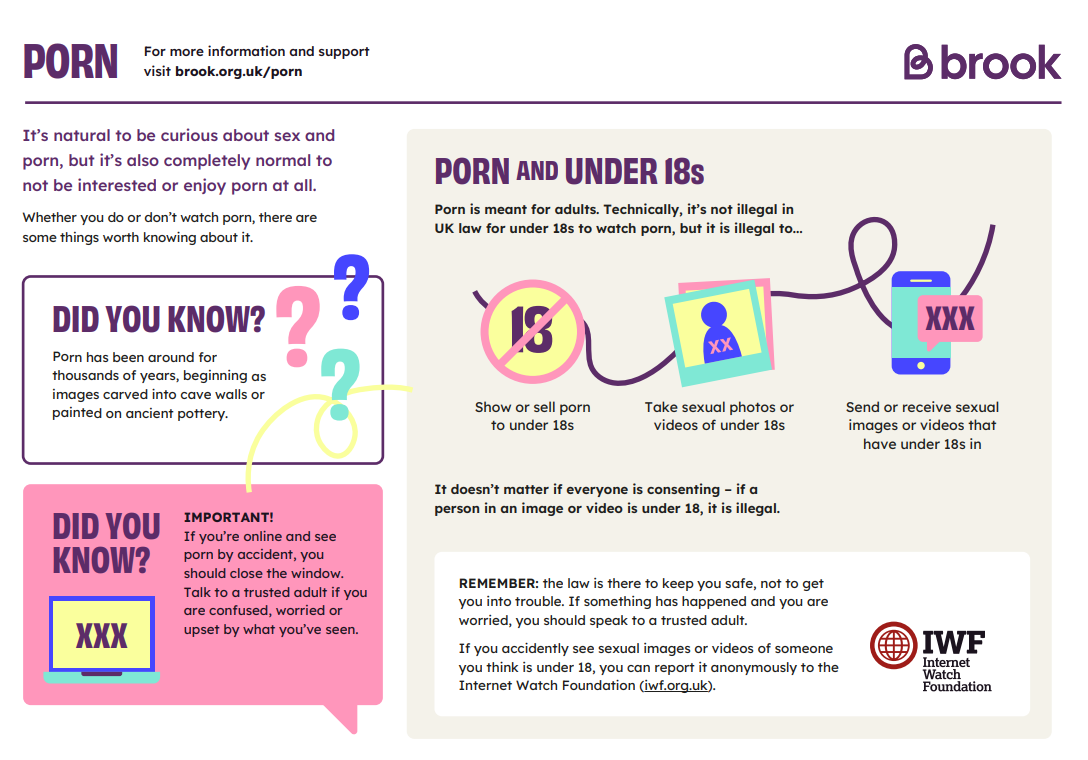
"We need you to protect us" - some hard truths about children's access to pornography
Dame Rachel de Souza, The Children's Commissioner, talks with the Naked Truth Project as part of their P Word Series, about the things children have told her about seeing pornography, how it affects then and what we can do to stop it. She also speaks of the need for high-quality, age-appropriate Relationship, Sex and Health Education (RSHE) that starts early and evolves as children mature- which we at GHLL also heavily advocate for! Please check out our training calendar for our courses which support this.
Click here to read the full blog post
2025 RSE Guidance Overview - Key Additions and Changes detailed by Life Lessons
See this helpful document from LifeLessons which clearly outlines the changes and additions made to the 2025 Relationships, Sex (RSE) and Health Education Guidance from the previous 2019 guidance.
Life Lessons' 2025 RSE Guidance Overview
Sexual Wellbeing Image Resource Library (SWIRL)
SWIRL.scot is the new tool for professionals to support the development of accessible sexual health and wellbeing information. The images are free to use for educational purposes
Pornography & Regulation KS4/5 Resource
The BBFC has published a new KS4/5 resource exploring the potential harms of pornography and how online content can shape young people’s attitudes towards relationships and sex. Developed in partnership
with PSHE Association and aligned with the DfE's statutory RSHE guidance, the free resource provides guidance alongside two complete lesson packs.
Life Support Productions - Updated SEND resources
Life Support Productions have added easy read subtitles to their online resource for SEND students
‘You, Your Body, Growing Up, Relationships and Sex’.
‘Jason’s Private World’ and ‘Kylie’s Private World’
Sex Education Forum
The search is on for our next youth partner!
We're inviting youth-led groups to join a 12–18 month funded partnership to improve RSE. Groups will receive mentoring, action-planning support, and access to funding to turn their ideas into impact. If you work with young people (aged 16-25) who are passionate about making RSE more inclusive and effective, please share this opportunity with them!
Find out more
CSA Spotlight Week
📅 2 -6th February 2026
A dedicated week to raise awareness and share resources.
Resources: Bespoke materials designed by GHLL and the Centre of Expertise for Key Stages 1–4.
Purpose: Help education settings open up conversations about consent and healthy relationships.
Access: Resources to support education professionals
pfeg Centre of Excellence
pfeg is the UK’s leading financial education charity and the most trusted provider of knowledge, guidance and resources for those teaching children and young people about money.
pfeg’s Centres of Excellence programme provides practical, effective and sustainable financial education for young people in school.
View their guide here : Step by Step Guide
Navigating puberty and sexual development
NSPCC Learning have some useful resourses for parents and carers of children and young people who have a learning disability on navigating puberty and sexual development
There are two guides for adults:
- navigating puberty
- humping and thrusting behaviour.
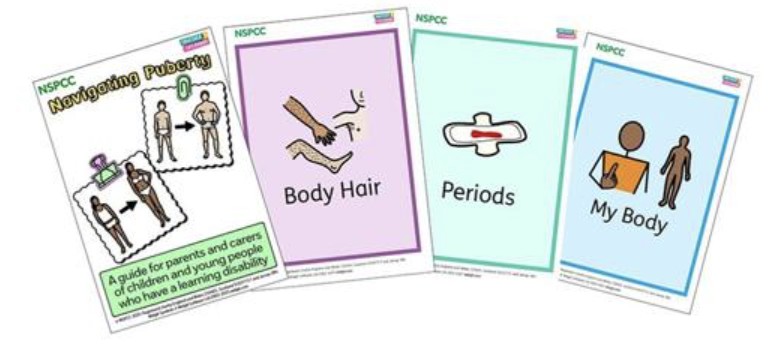
There is a series of symbolised booklets on:
- body hair
- breasts
- erections
- masturbation
- my body
- periods
- private parts
- sweating and body odour
- wet dreams.
The resourses can be downloaded from the NSPCC Learning webpages by clicking here
Revised Relationship and Sex Education and Health Education (RSHE) guidelines
This report, prepared by Pride in Education, analyses the revised Relationship and Sex Education and Health Education (RSHE) guidelines scheduled for implementation in September 2026.
This report serves as the formal response from Pride in Education following our "Open Letter Campaign" and associated focus group and surveys that secured 5,137 signatures, including nearly 1,000 education professionals, major unions like the NASUWT, and prominent public figures. The report argues that the current draft creates a "climate of uncertainty and reputational anxiety" for educators, reminiscent of the historical Section 28 legislation.
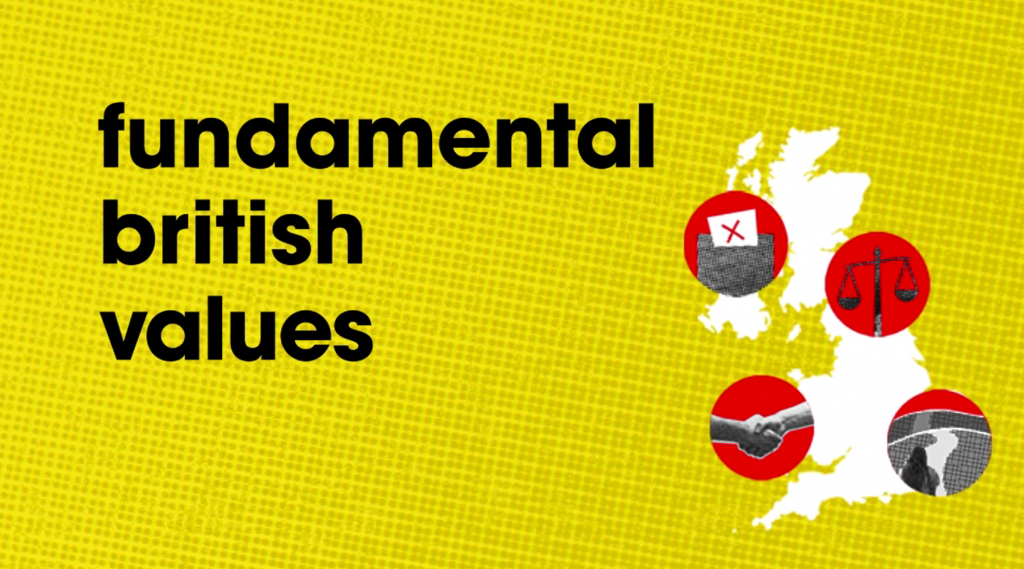
Resources to help facilitate classroom conversations in Secondary schools 
Educate Against Hate have a comprehensive resources pack including PowerPoint slides and a video aimed at students to introduce fundamental British values in an engaging way. Suitable for KS3, 4 & 5. Click here to access the resources.
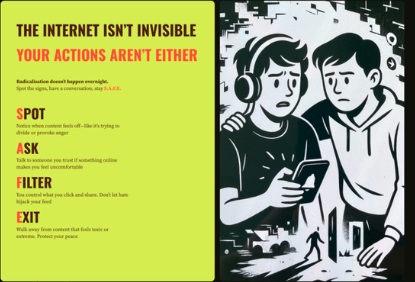
Staying SAFE Online Posters
Schools and colleges play a vital role in helping young people navigate the risks of harmful and extremist content online. With extremist narratives increasingly appearing in everyday digital spaces, gaming platforms, memes, influencer channels, and algorithm driven feeds, pupils may encounter harmful messages without seeking out or recognising them.
Educate Against Hate have a set of clear, accessible posters designed for classrooms and staffrooms. They are designed to raise awareness and help start those important conversations and include a memorable SAFE mnemonic to support safer online behaviour.
Free Learning Materials 
Life lessons have a multitude of resources on topics for PSHE and RSHE including Diversity and Inclusion, Misogyny and Sexual violence, Mental Health and Wellbeing and much more. With resources for all Key Stages check out their Free Learning Materials Here.
Free sign up required.
PSHE Association’s Programme of Study for PSHE education (key stage 1 to 5).
Personal, Social, Health and Economic (PSHE) education is the school subject through which pupils develop the knowledge, skills, attributes and agency they need to manage their lives, now and in the future.
It helps children and young people to stay healthy and safe, while preparing them to make the most of their lives and careers. PSHE education also helps pupils to achieve their academic potential by removing barriers to learning.
PSHE Association Programme of Study for PSHE Education (Key stages 1–5), 2026.pd
How schools can get closer to parents who keep their distance
Why is it that some families can begin to disengage with primary school life? And what can we do about it? Cassie Higgleton considers how schools can reach the parents who go quiet
The Education Endowment Foundation has found that effective parental engagement can lead to pupils – especially younger children – making another four months of progress on average in a single academic year - Adobe Stock
Schools work tirelessly to keep the doors open for parents and carers to join in events, ask questions, or discuss issues their child might be having with their learning, friendships, or wellbeing.
But in every school there is usually at least one family which never makes it in to parents’ evening, forgets World Book Day, or regularly fails to return consent forms.
It might not happen straight away. Sometimes contact will slowly begin to slip, often for no apparent reason. But whatever the cause, these are the parents who schools need to reach and re-engage with as we know how closely linked pupils’ attendance and achievement is to the relationship we have with their families.
The Education Endowment Foundation’s research summaries, for example, tell us that with effective parental engagement, a child could make another four months’ progress on average in a single academic year (EEF, 2025) and there is “a strong evidence-base” supporting this approach with younger children in particular.
For the EEF, parental engagement refers to teachers and schools involving parents in supporting their children’s academic learning and includes:
- Approaches and programmes which aim to develop parental skills such as literacy or IT skills.
- General approaches which encourage parents to support their children with, for example, reading or homework.
- The involvement of parents in their children’s learning activities.
- More intensive programmes for families in crisis.
But who are the parents most at risk of going quiet, and what can you do to get them back on board when they do? In this article I will outline some of the most common issues that schools face in this regard and some things you can do to address them.
Language barriers
Most schools are teaching increasing numbers of children who don’t speak English at home. Language barriers can often be misinterpreted as parental disinterest in school life, but this is often not the case. Language barriers just make it harder for parents to get involved, even when they want to.
The family who avoids coming in to school to see their child get the star of the week could just be worried that they’ll end up in conversation with other parents or concerned that they will misunderstand while talking with a teacher. There are some simple strategies you can use to help parents in this position.
One way to bridge language gaps is to send all information home in parents’ first language. There are plenty of translation tools that can do this quickly to make sure parents know what’s happening at school. You can also ask bilingual members of staff to be on hand at events or meetings to welcome parents, translate questions and talk through any concerns.
Editor’s note: Headteacher Update publishes a range of articles from The Bell Foundation focused on supporting EAL pupils and their families including this article on supporting EAL parents.
Having that extra support might just encourage parents to feel more positive about coming in to school, which will also rub off on their children.
Lack of time
You’ve probably met a parent who cares deeply about their child’s learning, but somehow something always gets in the way of them attending a face-to-face meeting. This is where a little flexibility can make a big difference.
Parents who work irregular hours or have younger children at home to look after might really value the chance to join a quick virtual call instead. This can give them the chance to discuss their children’s progress or update you on how a pupil is coping with a new baby in the house, without the stress of trying to fit an evening meeting at school into an already challenging household routine.
There are also those families that ignore a newsletter but really value hands-on activities, like a learning support workshop, where they can chat with other parents and pick up practical tips to help their child at home. They are likely to get far more from an event like this and could pass on what they’ve learned to other parents.
Information overload
If parents are giving you the cold shoulder, it can be useful to consider if there’s anything the school is doing that could be making it harder for them to stay engaged. Something as simple as information overload can be a contributing factor.
How and when a school communicates with parents can make a big difference to how involved they are. Constantly bombarding parents with texts and emails can quickly turn them off and make it difficult for them to keep track of what is important.
A parent might receive a text about homework and then a separate email about an upcoming school trip. If it isn’t immediately clear, they may not know which message to deal with first, what action they need to take, or who to contact if they have questions.
Keeping communication to one or two clear channels can make life much easier for busy families. When parents know where to find updates and who to ask if they need help, they are far more likely to read the messages they receive and respond when they’re asked to.
And finally, the EEF research cited above reminds us: “Consider how to tailor school communications to encourage positive dialogue about learning. There is some evidence that personalised messages linked to learning can promote positive interactions.”
Everyday pressures
Parents don’t usually stop caring about their child’s learning. Sometimes what looks like disengagement can be the early sign of a family under pressure that may not be immediately obvious. Worries about housing, health or relationships can push school matters down the priority list and leave parents with little time or energy for anything else.
A quick phone call or even a short home visit can give you the chance to chat informally and find out what help the family might need. It can also be a way to point parents towards support – parenting groups, financial advice, wellbeing and other local services. Although you might not be helping directly with anything educational, you could help to build a stronger relationship with a family which can only have a positive impact on a child’s learning.
Homework
Some parents feel out of their depth and the tipping point for this can be when helping with homework, particularly as their child moves further up the school and topics get more complicated.
Parents worry about getting it wrong or confusing their child, even when all they want to do is be supportive. Schools can significantly lower anxiety levels by giving parents the confidence to help.
A homework club for key areas such as literacy and maths can offer parents a safe and relaxed place where we can discuss the best way to support their child’s homework, with a teacher nearby to offer a helping hand. Sessions like these show families how specific subjects are taught in school and also help them to realise that they are not expected to have all the answers.
Help staff to deal with difficult situations
Even in the most family-friendly schools, not all staff feel completely confident when dealing with a parent who is upset with a teacher or worried about their child. Conversations about poor attendance, late homework, or behaviour concerns can be challenging but if you give staff training and support, they will feel better prepared to handle these sensitive situations.
An INSET day on active listening, de-escalating conflict, or cultural awareness might be all that’s needed to give a teacher the skills and confidence to approach these conversations positively. You can pair early career teachers with more experienced colleagues who already have strong relationships with families. This allows them to observe, receive practical feedback, or practise role-playing scenarios to develop their own positive communication style.
Make it easy for important details, such as parents’ preferred communication channels or changes in a child’s home life, to be passed on to teachers as pupils move up the school too. When teachers understand what’s happening at home and can offer support, families are less likely to feel isolated.
Parental engagement on everyone’s to-do list
Parental engagement is most effective when it’s part of the fabric of a school, not just something extra staff have to do on top of everything else.
Parents who feel listened to and are well supported can help a school tackle so many other issues, like improving children’s attendance, achievement and wellbeing.
Keep an eye on the progress you’re making in improving engagement. Are more parents coming to face-to-face meetings and events? Are they using the school’s app or parent platform more regularly? Do surveys show they feel included and informed?
Having a clear plan for improving parental engagement makes it easier to roll-out strategies consistently across year groups and gives staff clear objectives to work towards.
At its heart, good parental engagement is about finding ways to make families feel welcome, understood and confident about what they can do at home to support their child. Children notice when their parents take part in school life and are often more motivated to learn and succeed as a result.
- Cassie Higgleton is a former teacher who is now a senior leader at VenturEd Solutions. Visit https://venturedsolutions.co.uk/
Further information & resources
EEF: Parental engagement, Teaching and Learning Toolkit, last updated May 2025: https://educationendowmentfoundation.org.uk/education-evidence/teaching-learning-toolkit/parental-engagement
Barclays - Life Skills Lesson Plans

Barclays have provided so very useful free lesson plans. Each lesson consists of a simple plan with supporting presentation slides that can be adapted to suit most learning
environments. Lots of topics are covered, from Safe and sensible spending to Strenght, goals and aspirations. Find out more here: Lesson plans for teachers & educators | LifeSkills
Stop Loan Sharks- Online Awareness Sessions 
The England Trading Standards Illegal Money Lending Team (also known as The Stop Loan Sharks Team) investigate, arrest and prosecute illegal money lenders and help the borrowers get their lives back on track. As many as 1.08 million people in England could be in debt to an illegal money lender, commonly known as a loan shark. The number of people borrowing is rising due to several reasons especially the cost of living crisis and the demise of the payday lending industry and high interest, short term credit industry. We believe it is more important than ever to talk to young people about the dangers of borrowing from illegal lenders. We recently arrested a student who was lending to other students through Shap Chat.
They are offering online awareness sessions through Microsoft Teams for Primary and Secondary Schools. The duration of the sessions can be from 15 minutes (assembly) to 1 hour ( more in-depth class session), there is no charge for these sessions.
To find out more please see their leaflet here
or get in touch with Wendy Loades, Liaise Officer (South West) , England Illegal Money Lending Team
Email: wendy.loades@birmingham.gov.uk
Invitation to free schools webinar for SW schools - Inclusive Schools, Active Girls webinar, focused on puberty and menstruation - 7 and 8 July 2026
Inclusive Schools, Active Girls webinar, focused on puberty and menstruation

Navigating Change: Why We Learn PSHE
A free Year 7 transition lesson for RSE Day
This year, the theme of RSE Day is "It begins with me" - a reminder that understanding the world starts with understanding ourselves. There's no better moment for that than the move to secondary school, when young people are figuring out who they are and how they want to navigate everything ahead. So to mark the day, Life Lessons are sharing a free Year 7 transition lesson you can download and teach right away.
“Why do we learn PSHE?” is the perfect way to introduce students to the subject — helping them understand what PSHE is, why it matters, and what they’ll gain from it across their school journey.
Download here: Free lesson RSE day: Why do we learn PSHE? - Life Lessons
Reframing masculinity for young men and boys
Dr. Sophie King-Hill is an Associate Professor at the University of Birmingham. Her research focusses upon understanding and reshaping how young men and boys’ experience and express masculinity, particularly in relation to relationships, self-esteem, well-being, violence, and mental health.
A comprehensive article for educators and professionals has been published by the University of Birmingham and can be accessed here: We’re in this together : Reframing masculinity for young men and boys
Neurodivergent-friendly schools : Ten stategies
Neurodivergent children bring a range of strengths and challenges to the classroom. In this Best Practice Focus, Dr Pooky Knightsmith offers 10 techniques primary schools can adopt to create a positive learning environment for neurodivergent pupils, with practical classroom ideas and easy ‘do now’ suggestions for each approach.
Access the article here: Neurodivergent-friendly schools : ten-stategies.pdf
Teaching First Aid
Discover free, curriculum-friendly resourses from the British Red Cross that help children and young people develop the knowledge, confidence and skill to respond in an emergency.
Teaching First Aid has never been more vital across the UK; the skills young people can learn from quality First Aid education can develop the knowledge, confidence and willingness to act when someone needs help.
Tes have teamed up with the British Red Cross to highligh a comprehensice suite of free First Aid teaching resources.
Access the information here: Teaching First Aid in schools | Tes
Free 2026-2027 Planners 
A range of Free planners for teachers to use from TES teacher resources. These may be useful for secondary and colleges to use in either Personal development, tutor time or for a particular subject. Individual links are below for the different templates inclduign pdf and powerpoint versions or click here for crib sheet with links to all the templates for easy sharing.
Half term bundle secondary version 2027 editable a4.pdf
Autumn term calendar-26-a3-1-sheet.pdf
Whole planner secondary version 2027 editable a4.pptx
Whole planner secondary version 2027 editable a4.pdf
Weekly bundle secondary version 2027 editable a4.pptx
Pick mix bundle secondary version 2027 editable a4.pdf
Pick mix bundle secondary version 2027 editable a4.pptx
Intro end sections secondary version 2027 editable a4.pdf
Half term bundle secondary version 2027 editable a4.pptx
Half term bundle secondary version 2027 editable a4.pdf
Anna Freud - Healthy Relationships: a toolkit for secondary schools
Healthy Relationships: A Toolkit For Secondary Schools | Anna Freud
Friendships and conflict in secondary school
Friendships play an important role in secondary students’ lives, offering connection, belonging and support for their mental wellbeing. This toolkit helps students explore how conflicts can arise in friendships, how emotions can influence behaviour, and how they can respond in positive, respectful ways. It also explores how conflict can affect the mental wellbeing of students and provides practical strategies to manage challenging situations effectively.
What this toolkit covers
This toolkit includes assembly materials, a two-part lesson and guidance for education staff. It supports students aged 11 to 13 to develop the skills and understanding they need to build healthy friendships and manage conflict in ways that support their mental wellbeing.
Students will explore key topics including building confidence in setting boundaries, managing peer pressure and navigating both face-to-face and online interactions. They will also learn how to identify and use constructive conflict resolution strategies, both offline and online.
The toolkit forms part of a wider curriculum around emotional literacy and how young people manage their emotions. It begins with an assembly to introduce key ideas, followed by a two-part lesson to deepen understanding and practise skills.
This toolkit contains:
Lesson materials : A lesson plan, presentation slides and additional activities and supporting materials.
Assembly materials: An assembly plan and presentation slides.
Guidance materials: Guidance for education staff as well as curriculum support.
What students can gain from this toolkit
This toolkit supports students to:
- develop the skills to manage and repair peer conflict effectively, including knowing when and how to seek support
- improve emotional literacy and the ability to regulate emotional responses in social situations
- develop an understanding of safe and respectful behaviour in online spaces, particularly within peer group communication (e.g. group chats)
- build confidence in setting and maintaining personal boundaries, both offline and online
- strengthen their ability to navigate peer pressure and make safe, independent decisions
- feel more confident in building and maintaining positive, healthy friendships during the transition into and across Year 7 and 8.
The guidance for education staff is designed to be used alongside the teaching resources. It provides an overview of the toolkit aims, along with some practical suggestions to help education staff feel more confident when delivering the assembly and lesson, and when supporting students.
Changes to social media access for under-16s
The UK government has announced plans for a social media ban for under-16s, with the changes expected to come into force in spring 2027.
These resources explore friendships and online interactions rather than specific social media platforms. They focus on skills that students can use to navigate relationships and conflict, both online and offline.
We will review our resources in light of further government guidance and update them where needed.
GHLL Managing Sensitive Questions in Secondary RSHE 
Please see our new powerpoint for use with teachers on Managing Sensitive Questions in Secondary RSHE. This useful presentation could be shared during training or staff meetings to support all staff in your school whilst teaching RSHE.
click here to download the powerpoint


